Minimalist Flower Silhouette Design: Graphics & Illustrations
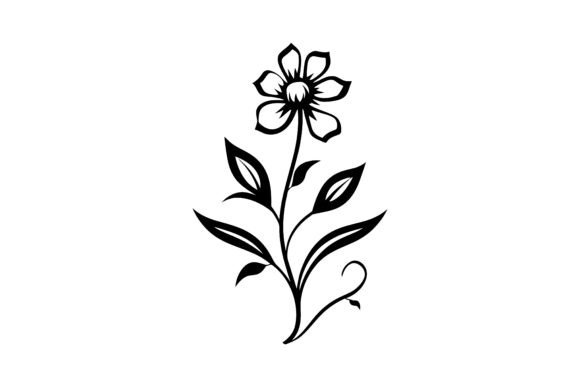
As a graphic designer who has spent years refining brand identities and crafting marketing visuals for small businesses, I approach every new graphic design asset with a critical eye. It is not enough for an illustration to simply look pretty; it must perform under pressure. Recently, I evaluated the Minimalist Flower Silhouette Design for a potential client project involving a boutique handmade soap brand. The goal was to create packaging that felt organic yet modern, avoiding the cluttered aesthetic common in the natural products niche. My first impression of this asset was one of refined restraint. The lines are clean, the curves are intentional, and the negative space is utilized effectively to create a sense of airiness.
This digital product does not scream for attention. Instead, it whispers elegance. For designers working on brand identity projects, this subtlety is invaluable. The silhouette style allows for versatility across various mediums, from packaging design to social media graphics. When I placed the vector file against a matte kraft paper background in my mockup software, the contrast was striking without being harsh. This is the kind of creative design element that elevates a simple label into a premium experience. It fits seamlessly into the workflow of anyone creating printable design materials or commercial design assets for clients who value sophistication over ornamentation.
Versatility in Real-World Client Projects
The true test of any design asset is its adaptability. In my review, I tested the Minimalist Flower Silhouette Design across multiple applications to see where it shined and where it struggled. For logo design, the simplicity works well if paired with a strong typographic choice. I experimented with a delicate serif font, a clean sans serif font, and even a handwritten font to see how the silhouette interacted. It held its own against all three, though it felt most harmonious with modern sans serifs that mirror its geometric precision. This makes it an excellent candidate for small business branding where clarity is paramount.
Beyond logos, this asset excels in marketing visuals. I used it as a decorative accent in a series of Instagram posts for a floral workshop. The SVG design scaled perfectly, remaining crisp on high-resolution displays. For those running an Etsy product shop or engaging in print-on-demand, this illustration is a goldmine. It translates beautifully into sticker design, where clean edges are crucial for cutting machines. If you are a Cricut user or manage Cricut project files, the vector nature of this asset ensures smooth cuts without jagged edges. It also serves as a fantastic base for t-shirt design, particularly for sublimation printing where solid shapes render with high fidelity.
However, context matters. While the Minimalist Flower Silhouette Design is powerful, it is not a universal fix. In crowded layouts, such as busy sale flyers or complex editorial design spreads, the silhouette can get lost. It requires breathing room. I found it worked best in large layout areas, such as hero graphics on a website or the center of a minimalist poster. It also performed well as a subtle watermark or background texture in web design projects, adding visual interest without compromising visual hierarchy. For Canva template creators, this type of clipart is highly desirable because it allows end-users to customize colors easily while maintaining a professional look.
Technical Performance and Designer Notes
From a technical standpoint, the quality of the file determines its usability. The Minimalist Flower Silhouette Design arrived as a clean SVG design, which is the industry standard for scalable illustrations. I inspected the anchor points and found them optimized, meaning the file size remains small even when scaled up for large format prints like tote bags or wall art. For those working with PNG design formats, I checked the transparency channels. The edges were anti-aliased smoothly, ensuring no white halos appeared when placed over dark backgrounds. This attention to detail is what separates a amateur design bundle from a professional-grade graphic set.
Before committing to any commercial license usage, I always run a series of practical tests. First, I converted the design to pure black and white. This is crucial for checking legibility and impact. The silhouette retained its form perfectly, proving its strength as a monochromatic icon. Next, I tested contrast on both light and dark backgrounds. On pastel tones, it felt soft and romantic; on deep navy or charcoal, it felt bold and modern. This duality makes it suitable for a wide range of handmade business aesthetics. I also previewed it at very small sizes, such as on a business card or product tag. At tiny scales, some details merged, so I recommend using it as a standalone element rather than part of a complex cluster in small formats.
Another critical aspect is compatibility with other design elements. I paired the silhouette with various font styles. It complemented display fonts by grounding their extravagance, and it balanced script fonts by providing structural stability. For sublimation design projects, such as mugs or phone cases, the solid fill of the silhouette ensures consistent ink coverage. If you are creating product mockup presentations for clients, this asset adds a layer of polish that suggests high-end production values. It helps build visual trust with the audience, signaling that the brand cares about aesthetics.
Final Verdict for Professional Use
In conclusion, the Minimalist Flower Silhouette Design is a robust addition to any designer’s library of design assets. It is not just a decorative flourish; it is a functional tool for building brand consistency and enhancing audience engagement. Whether you are a blogger looking for unique header images, a publisher designing book covers, or a marketer creating Pinterest pins, this illustration offers the flexibility needed for diverse projects. It supports the trend toward modern design that values clarity and emotional appeal.
For digital sellers and content creators, incorporating this type of high-quality clipart can differentiate your offerings in a saturated creative marketplace. It allows for rapid prototyping of ideas without sacrificing quality. However, always remember to check the specific licensing terms for your intended use, especially for commercial design work. When used thoughtfully, respecting visual hierarchy and brand tone, this silhouette becomes more than just an image; it becomes a key component of a cohesive visual strategy. It is a testament to how precision and quality in a single graphic element can elevate an entire project.