Review: Wedding Ornamental Frame Set for Embroidery
As a designer who has spent years digitizing and stitching thousands of machine embroidery design files, I have learned that not every graphic translates well to thread. When I first opened the Wedding Ornamental Frame Set, my initial reaction was one of cautious optimism. These are primarily categorized as Illustrations and Graphics, which means they were likely born in vector software rather than embroidery software. This distinction is critical for anyone planning to use them in real-world embroidery project scenarios.
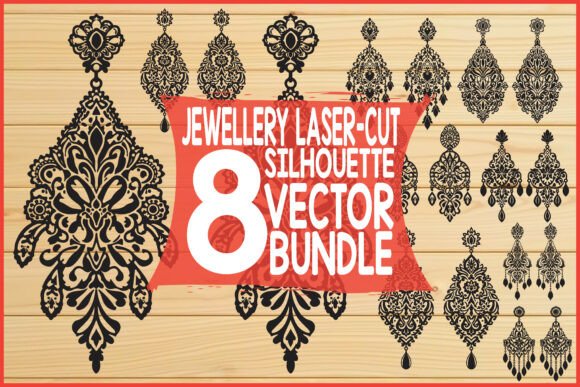
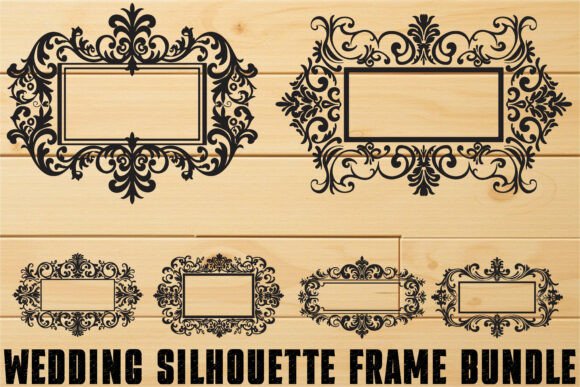
The visual mood of this bundle is undeniably elegant. The silhouettes feature sweeping curves and intricate detailing that evoke a sense of timeless romance. For an Etsy seller or a boutique owner, these assets offer a high-end aesthetic without the need to hire a custom illustrator. However, beauty on a screen does not always equal beauty under the needle. My job here is to bridge that gap, evaluating how these ornamental frames perform when transformed from digital pixels into physical stitches.
From Screen to Stitch: Real-World Application
To test the viability of the Wedding Ornamental Frame Set, I imagined a specific client request: a set of personalized linen tote bags for a bridal party. The goal was to create a sophisticated handmade product that felt luxurious yet durable. I selected one of the more open-frame designs from the bundle to serve as a border for the bride’s initials.
In this context, the design shined. Because the frames are largely silhouette-based, they allow for creative interpretation. I could choose to render the entire frame using a dense fill stitch for a bold, graphic look, or I could opt for a delicate running stitch outline if I wanted a minimalist vibe. For the tote bag project, I decided on a hybrid approach. The thicker structural lines of the frame were stitched with a satin finish, while the finer decorative elements were kept as simple outlines to prevent the fabric from puckering.
This flexibility makes the bundle valuable for various custom apparel items. Imagine these frames on a sweatshirt embroidery project. A heavy fleece can handle more density, so you might choose to fill the entire shape for a plush, textured effect. Conversely, on a lightweight cotton tote bag design, keeping the interior open prevents the garment from becoming stiff and uncomfortable. The key is recognizing that these are starting points, not final prescriptions.
Navigating Technical Challenges
While the aesthetic appeal is high, there are technical hurdles to consider. Since these are originally design assets meant for print or digital use, they may contain details that are too fine for standard embroidery machines. Tiny corners and intricate swirls can easily get lost or cause thread breaks if the stitch density is not adjusted properly.
I strongly advise against using these designs on stretchy fabrics without significant stabilization. If you are attempting baby embroidery on a onesie, the complex curves of the ornamental frame could distort the knit fabric. In such cases, using a cut-away stabilizer is non-negotiable. Additionally, be mindful of the hoop size. Some of the larger frames in the set may require a 5x7 or even larger hoop. Always check the dimensions before committing to a project, especially if you are working with smaller items like embroidered patch creations or cap fronts.
Another critical consideration is fabric texture. On a smooth satin or high-thread-count cotton, these frames will look crisp and professional. However, on textured materials like burlap or heavy linen, the fine details might get swallowed by the weave. For rustic holiday embroidery projects, this might actually be a desirable effect, adding to the handmade charm. But for a polished commercial embroidery job, you want clarity. Test your thread colors against the fabric background. High contrast is essential for silhouette designs to ensure the shape remains recognizable from a distance.
Enhancing Brand Value and Customer Trust
For small business owners, the perceived value of a personalized gift often hinges on the quality of the presentation. Using a cohesive set like the Wedding Ornamental Frame Set helps establish brand consistency. When customers see a well-executed, intricate design, they associate it with professionalism and care. This builds trust and encourages repeat business.
These graphics also excel in creating printable mockup materials for your online shop. Before you even stitch a single thread, you can place these frames around product photos in your digital listings. This allows potential buyers to visualize the finished product, increasing engagement and conversion rates. Whether you are selling digital embroidery file packs or physical goods, having versatile, high-quality Illustrations in your toolkit is a significant asset.
Practical Designer Notes for Best Results
Before you launch into production, keep these practical tips in mind to ensure success with the Wedding Ornamental Frame Set:
- Test on Scrap Fabric: Always stitch a sample on the same type of fabric you plan to use for the final item. This reveals any issues with tension or density.
- Check Thread Contrast: Silhouette designs rely on shape. Ensure your thread color stands out clearly against the fabric, especially for detailed corners.
- Review Stitch Density: If you are digitizing these yourself or editing existing files, reduce density for lightweight fabrics to prevent puckering.
- Confirm Hoop Size: Measure the design dimensions against your machine’s maximum hoop capacity.
- Inspect Small Details: Zoom in on the design file. If lines are thinner than your needle width, they may not stitch out correctly.
- Use Proper Stabilizer: Match the stabilizer to the fabric weight. Cut-away for knits, tear-away for wovens.
- Verify Licensing: Since these are sold as Graphics, confirm whether the license allows for commercial use of the stitched items or if it is for personal use only. This is crucial for craft business compliance.
In conclusion, the Wedding Ornamental Frame Set is a powerful resource for designers who understand how to adapt print-ready graphics for textile applications. It offers versatility across a wide range of products, from small shop product lines to high-end wedding gifts. By paying attention to fabric choice, stabilization, and stitch technique, you can transform these elegant illustrations into stunning, tactile works of art that delight customers and elevate your brand.