Reviewing Lamp Silhouette Vector for Embroidery
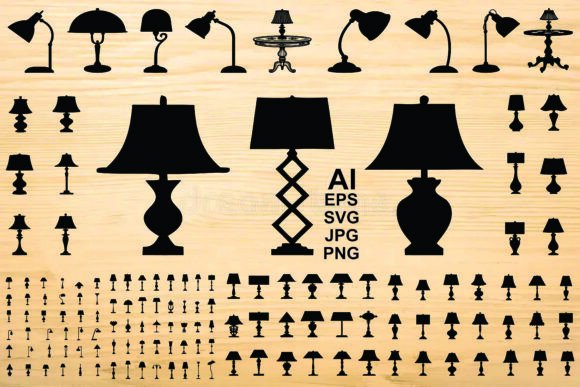
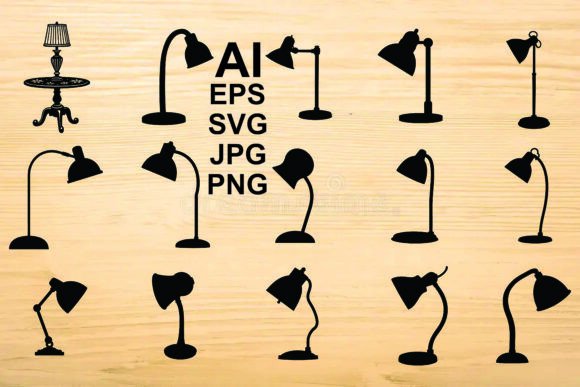
When I first pulled up the Lamp Silhouette Vector collection on my screen, I wasn’t looking for complex shading or photorealistic depth. As an embroidery designer, I look for clean lines, distinct shapes, and visual balance that translates well from a digital file to physical thread. This set of vintage table and lamp silhouettes immediately struck me as a versatile asset for interior-themed decor and classic home goods. The mood is distinctly antique and ornate, evoking a sense of warm, classic illumination that feels right at home in a cozy living room or a boutique hotel lobby.
The visual personality here is understated yet elegant. Because these are silhouettes, the design relies entirely on shape rather than internal detail. For an embroidery project, this is often a blessing. It means fewer jump stitches, less potential for thread breaks, and a cleaner finish on the final product. However, it also means the outline must be perfect. Any jagged edges or ambiguous curves in the vector will become glaringly obvious once stitched out. Fortunately, these graphics appear smooth and well-defined, suggesting they will digitize cleanly into a machine embroidery design without excessive manual cleanup.
Real-World Application: The Custom Tote Bag Test
To truly evaluate how these illustrations perform, I imagined a specific real-life scenario: creating a line of custom tote bags for a local bookstore’s holiday gift shop. The goal was to create a sophisticated, literary vibe without being overly busy. I selected one of the ornate pedestal lamp silhouettes from the collection. The concept was simple: a single, large-scale lamp silhouette centered on a heavy canvas tote, paired with minimal text.
In this context, the Lamp Silhouette Vector shines. The classic shape provides an immediate anchor for the eye. When stitched using a dense fill stitch or a thick satin stitch border, the silhouette becomes a bold graphic element. It doesn’t get lost in the texture of the canvas. Customers browsing the shop would likely appreciate the subtle nod to vintage reading nooks. It transforms a basic bag into a curated accessory. This kind of application highlights why silhouette-based graphics are so valuable for small shop products—they offer high visual impact with manageable production time.
Versatility Across Product Lines
Beyond tote bags, this collection has broad appeal for various handmade products. For apparel decorators, these designs work exceptionally well on sweatshirt embroidery. Placing a smaller, delicate lamp silhouette on the left chest of a crewneck creates a subtle, professional logo-like effect. It suggests warmth and comfort, which aligns perfectly with the tactile nature of knitwear. For baby embroidery, the softer, rounded lamp shapes could be adapted for nursery decor, perhaps stitched onto pillow covers or blanket corners in pastel thread colors.
Etsy sellers and craft business owners will find these assets particularly useful for seasonal items. Think of holiday embroidery projects where a vintage lamp implies cozy winter evenings. These designs can be easily scaled for embroidered patches, adding a touch of classic decor to denim jackets or backpacks. Because the style is timeless rather than trendy, these digital embroidery files retain their value over multiple seasons, reducing the need for constant new design purchases.
Technical Considerations for Stitching
While the aesthetic is strong, practical execution requires attention to detail. Since these are silhouettes, the primary challenge is maintaining crisp edges. On textured fabrics like terry cloth or heavy linen, a simple running stitch might disappear or look uneven. I recommend using a satin stitch for smaller versions or a tight fill stitch for larger applications to ensure the shape remains solid and visible. Thread color contrast is critical here. A dark thread on a dark fabric will render the design invisible, so always test your thread colors against your chosen fabric texture.
Stitch density is another factor to monitor. If you are scaling the Lamp Silhouette Vector up for a large pillow cover, ensure your digitizing software adjusts the density appropriately to prevent puckering. Conversely, if you are shrinking it for a cap or hat, be wary of tiny details. Curved surfaces like caps can distort straight lines, so the ornate pedestal bases of some lamps might need slight simplification to stitch cleanly on a curved hoop. Always use a proper stabilizer—cut-away for stretchy fabrics like sweatshirts and tear-away for stable woven cottons—to support the stitch structure.
Navigating Limitations and Fabric Choices
There are scenarios where this design needs careful handling. On thin or stretchy fabric, such as lightweight jersey for t-shirts, a dense silhouette can cause pulling or distortion. In these cases, consider using an applique design approach. You could cut the lamp shape from a contrasting fabric and use the vector merely as a guide for a tack-down stitch, reducing the amount of thread on the garment and keeping it soft and flexible. This technique is also excellent for dark fabric where matching thread might not provide enough pop; a light-colored fabric applique will stand out dramatically.
Additionally, avoid placing these designs in areas subject to frequent friction or washing stress without proper reinforcement. While the classic style is durable, the integrity of the stitch depends on the foundation. For items like kitchen towels or aprons that undergo rigorous laundering, double-check your hoop size and stabilizer choice to ensure the design survives the wash cycle without unraveling or shifting.
Enhancing Brand Value and Customer Trust
From a business perspective, using high-quality Illustrations like this elevates the perceived value of your finished product. A clean, well-stitched silhouette conveys professionalism. It shows that you care about the details, which builds customer trust. For boutique branding, consistency is key. If your brand leans toward vintage or classic aesthetics, integrating these lamp silhouettes into your packaging tags, printable mockups, or social media previews creates a cohesive visual identity. Buyers engage more with products that tell a story, and the nostalgic feel of these lamps helps narrate a tale of comfort and tradition.
Final Designer Notes
Before committing to a full production run, always test the design on scrap fabric identical to your final material. Check the stitch density in your software and preview the design in black and white to ensure the shape holds up without color reliance. Verify the license terms provided with the Lamp Silhouette Vector to confirm whether it allows for commercial embroidery projects. Most reputable sources permit selling finished items, but it is crucial to be certain. Finally, inspect the small details of the vector file itself. Ensure there are no stray nodes or open paths that could confuse your digitizing software. With proper preparation, this collection serves as a reliable, stylish asset for any creative entrepreneur looking to add a touch of classic elegance to their craft business.